Industrial Toxicology Reference
A look-up reference built while working through CIH Chapter 4 (Toxicology): 69 substances across 8 chemical families — toxic metals, organic solvents, alcohols & glycols, aldehydes & ketones, pesticides, toxic gases, asphyxiants, and fibers — with common workplace sources, exposure routes, important mechanisms, acute and chronic effects, and quick-recognition cues. For the explanations behind the terms, read Toxicology Basics: How Exposure Becomes Harm first.
How to use this page
Use these tables to look up a chemical's common workplace sources, exposure routes, important mechanisms and health effects. Read Toxicology Basics: How Exposure Becomes Harm first if you want the explanations behind the terms.
The tables highlight important associations rather than every possible effect. Effects depend on chemical form, dose, route and duration. A chemical may affect several organs, and a familiar symptom does not establish the cause of an illness.
Choose a chemical family below, locate the substance, and follow its source link for more detail. Odour and appearance are descriptive information, not reliable exposure measurements.
- Built for CIH, and relevant for CRSP and CRST. The same content maps onto CRSP's chemical hazard (HRIA6), physical hazard (HRIA8), and biological hazard (HRIA5) competencies, and CRST's HIRAC14 (gases, vapours, solvents, fumes, dusts) and HIRAC15 (physical hazards) domains. The exam names differ; the underlying toxicology doesn't.
- Chronic effects are shown in red in each table, so long-term effects can be found at a glance.
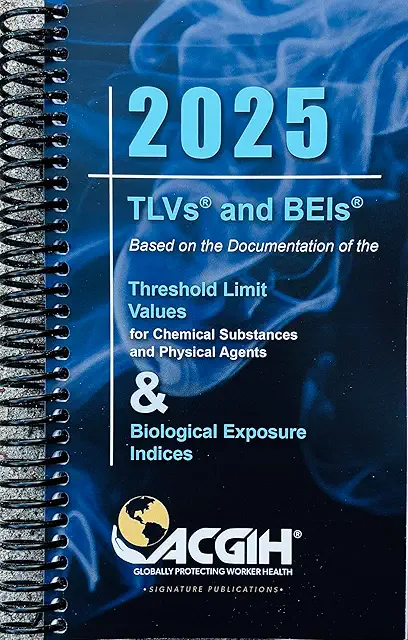
- This is a recognition aid, not a toxicology textbook. Always verify values and classifications against ACGIH TLVs/BEIs, SDS/GHS data and your primary IH reference before applying any of this in practice.
As an Amazon Associate, SPEP earns from qualifying purchases.
00 Toxicology Fundamentals
The theory behind these tables now has its own article, Toxicology Basics: How Exposure Becomes Harm. It covers:
- Dose and response: LD50, ED50, NOAEL, LOAEL and thresholds.
- Routes of entry and what the body does to a chemical (absorption, distribution, metabolism, excretion, half-life).
- How chemicals cause harm: the twenty mechanisms and effect categories, with chemical examples.
- Cancer classification scales (IARC and ACGIH) and chemical interactions.
- Exposure-limit labels: TWA, STEL, ceiling, skin, sensitizer, BEI and IDLH.
01 Toxic Metals & Metallic Compounds
Compare each metal's chemical form, routes and characteristic target organs. The form of a metal changes the hazard, and appearance and odor rarely help.
| Chemical | Appearance | State | Main Route | Acute Effects | Chronic Effects | Common Industries |
|---|---|---|---|---|---|---|
| Mercury (Hg) | Silver liquid, odorless | Liquid | Inhalation (vapor), skin, ingestion | Pneumonitis, cough, chest pain | Tremors, erethism, memory loss, kidney damage | Chlor-alkali plants, mining, dentistry, fluorescent lamps, gold extraction |
| Methyl Mercury | Colorless, odorless | Liquid | Ingestion | GI upset | Severe neurotoxicity, fetal brain damage | Seafood contamination, chemical manufacturing |
| Lead | Bluish-gray, odorless | Solid | Inhalation, ingestion | Abdominal pain, fatigue | Anemia, neuropathy (wrist drop), kidney disease, reproductive toxicity | Battery manufacturing, smelting, demolition, shooting ranges |
| Arsenic | Gray metallic, odorless | Solid | Inhalation, ingestion | Vomiting, diarrhea, shock | Skin cancer, lung cancer, neuropathy | Smelting, mining, wood preservatives |
| Cadmium | Silver-white, odorless | Solid | Inhalation | Metal fume fever, pneumonitis | Kidney damage, osteoporosis, lung cancer | Battery manufacturing, electroplating, welding |
| Hexavalent Chromium (Cr VI) | Yellow-orange compounds, odorless | Solid | Inhalation, skin | Skin burns, nasal irritation | Lung cancer, nasal septum perforation | Stainless steel welding, chrome plating, pigments |
| Nickel | Silver-white, odorless | Solid | Inhalation, skin | Dermatitis | Lung cancer, nasal cancer | Electroplating, alloy production |
| Nickel Carbonyl | Colorless, musty | Gas | Inhalation | Delayed pulmonary edema | Lung damage | Nickel refining |
| Beryllium | Steel gray, odorless | Solid | Inhalation | Pneumonitis | Chronic Beryllium Disease (CBD), lung cancer | Aerospace, nuclear, electronics |
| Cobalt | Gray, odorless | Solid | Inhalation | Asthma | Cardiomyopathy, pulmonary fibrosis | Hard metal manufacturing |
| Manganese | Gray, odorless | Solid | Inhalation | Irritation | Parkinson-like syndrome (Manganism) — a neurotoxin effect: damages the brain's movement-control area (basal ganglia), causing tremor, muscle stiffness, and slow movement | Welding, mining |
| Aluminum | Silver, odorless | Solid | Dust inhalation | Irritation | Pulmonary fibrosis (rare) | Aluminum smelting |
| Antimony | Silvery, odorless | Solid | Inhalation | Eye irritation | Pneumoconiosis | Flame retardants |
| Stibine | Colorless, garlic | Gas | Inhalation | Massive hemolysis | Kidney failure | Semiconductor manufacturing |
| Selenium | Gray, garlic breath | Solid | Inhalation, ingestion | GI irritation | Hair loss, nail changes | Electronics |
| Thallium | Bluish-white, odorless | Solid | Ingestion, inhalation | GI symptoms | Peripheral neuropathy, alopecia | Electronics |
| Vanadium Pentoxide | Yellow-orange powder, odorless | Solid | Inhalation | Respiratory irritation, green tongue | Chronic bronchitis | Oil-fired boilers |
| Uranium | Silver-gray, odorless | Solid | Inhalation | Kidney toxicity | Radiation risk | Nuclear industry |
02 Organic Solvents
Compare the individual solvent's acute effects, target organs and longer-term hazards. Several solvents share CNS effects, but their full toxicological profiles differ.
| Chemical | Appearance/Odor | Entry Route | Acute Effects | Chronic Effects | Common Industries |
|---|---|---|---|---|---|
| Benzene | Colorless, sweet | Inhalation | Dizziness | Leukemia | Petrochemical |
| Toluene | Colorless, sweet | Inhalation | CNS depression | Hearing loss, neurotoxicity | Paints |
| Xylene | Colorless, sweet | Inhalation | Headache | Liver/kidney effects | Paints |
| Ethylbenzene | Colorless, aromatic | Inhalation | Dizziness | Hearing loss | Fuel |
| Styrene | Colorless, sweet | Inhalation | Irritation | Peripheral neuropathy | Fiberglass |
| n-Hexane | Colorless, gasoline-like | Inhalation | CNS depression | Peripheral neuropathy | Printing |
| Carbon Tetrachloride | Colorless, sweet | Inhalation | CNS depression | Liver necrosis | Chemical manufacturing |
| Chloroform | Colorless, sweet | Inhalation | Anesthesia | Liver damage | Labs |
| Methylene Chloride | Colorless, sweet | Inhalation | Dizziness | Possible cancer | Paint stripping |
| Trichloroethylene | Colorless, sweet | Inhalation | Narcosis | Kidney cancer | Degreasing |
| Tetrachloroethylene | Colorless, ether-like | Inhalation | CNS depression | Liver damage | Dry cleaning |
| Vinyl Chloride | Colorless, mild sweet | Inhalation | Dizziness | Liver angiosarcoma | PVC manufacturing |
03 Alcohols & Glycols
Compare individual alcohols and glycols. Similar names do not imply equivalent toxicity or metabolism.
| Chemical | Odor | State | Acute Effect | Chronic Effect | Industries |
|---|---|---|---|---|---|
| Methanol | Alcohol | Liquid | Blindness, acidosis | Optic nerve damage | Solvents |
| Ethanol | Alcohol | Liquid | Intoxication | Liver disease | Beverage, sanitizer |
| Isopropanol | Alcohol | Liquid | CNS depression | Dermatitis | Cleaning |
| Ethylene Glycol | Sweet | Liquid | Kidney failure | Renal damage | Antifreeze |
| Propylene Glycol | Nearly odorless | Liquid | Low toxicity | Minimal | Food, pharma |
04 Aldehydes & Ketones
These compounds differ in irritancy, sensitization, nervous-system effects and other hazards. Use the individual row rather than assuming a shared health-effect profile.
| Chemical | Odor | State | Acute Effect | Chronic Effect | Industries |
|---|---|---|---|---|---|
| Formaldehyde | Pungent | Gas | Eye irritation | Nasal cancer | Resins, labs |
| Acrolein | Burning | Liquid | Pulmonary irritation | Airway disease | Combustion |
| Acetone | Fragrant (mint-like) | Liquid | Eye, nose and throat irritation; headache, dizziness, CNS depression | Dermatitis | Solvent, cleaning |
| MEK (Methyl Ethyl Ketone) | Sweet | Liquid | CNS depression | Dermatitis | Paint |
| MnBK (Methyl n-Butyl Ketone) | Sweet | Liquid | Dizziness | Peripheral neuropathy | Solvents |
| Glutaraldehyde | Pungent | Liquid | Respiratory/eye irritation | Sensitization (asthma, dermatitis) | Healthcare sterilization |
05 Pesticides
Use the mechanism column to distinguish pesticide classes. For an explanation of acetylcholinesterase inhibition and cholinergic effects, see Toxicology Basics.
| Chemical | Appearance | Major Toxic Effect | Chronic Effect | Industries |
|---|---|---|---|---|
| Parathion | Brown liquid | Cholinesterase inhibition | Neuropathy | Agriculture |
| Malathion | Amber liquid | Cholinergic symptoms | Lower chronic toxicity | Agriculture |
| DDT | White crystals | Tremors | Possible carcinogen | Historical |
| Chlordane | Amber liquid | CNS stimulation | Liver toxicity | Termite control |
| Aldrin | White crystals | Seizures | Liver toxicity | Historical |
| DBCP | Colorless liquid | Eye irritation | Male infertility | Agriculture |
As an Amazon Associate, SPEP earns from qualifying purchases.
06 Toxic Gases
Gas distribution depends on release conditions, ventilation, temperature and mixing as well as density. Measure the relevant contaminants; odor and density alone do not establish exposure or safety.
| Gas | Color/Odor | Density vs. Air | Acute Effect | Chronic Effect | Industries |
|---|---|---|---|---|---|
| Carbon Monoxide | Colorless, odorless | Slightly lighter | Hypoxia | Neuro/cardiac injury | Combustion |
| Hydrogen Sulfide | Rotten eggs | Heavier | Respiratory paralysis | Neurological effects | Oil & gas |
| Hydrogen Cyanide | Bitter almonds | Slightly lighter | Cellular hypoxia | Neurological effects | Electroplating |
| Ammonia | Sharp, colorless | Lighter | Airway burns | Bronchitis | Refrigeration |
| Chlorine | Green-yellow, bleach | Heavier | Pulmonary edema | RADS | Water treatment |
| Sulfur Dioxide | Colorless, burning | Heavier | Bronchospasm | Bronchitis | Smelters |
| Nitrogen Dioxide | Brown-red, acrid | Heavier | Pulmonary edema | Bronchiolitis | Welding |
| Ozone | Pale blue, electrical | Heavier | Chest tightness | Reduced lung function | UV/welding |
| Phosgene | Colorless, fresh-cut hay | Heavier | Delayed pulmonary edema | Lung disease | Chemical manufacturing |
07 Asphyxiants
Asphyxiants: oxygen displacement vs. impaired oxygen transport or use
| Type | Short definition | Major examples and mechanism |
|---|---|---|
| Simple asphyxiants | Reduce the oxygen available in the surrounding air. | Nitrogen, argon, helium and methane displace oxygen. Methane is also a fire/explosion hazard. |
| Chemical asphyxiants | Interfere with oxygen transport or cellular use, even when the oxygen in the air is normal. | CO forms carboxyhemoglobin and impairs oxygen delivery. HCN inhibits cytochrome oxidase and cellular respiration. H2S inhibits cellular respiration at high concentrations and also irritates the eyes and lungs. |
Memory: simple = less oxygen to breathe. Chemical = the oxygen cannot be delivered or used properly.
Additional hazard: carbon dioxide. Carbon dioxide can displace oxygen and also causes direct physiological effects through excessive CO2 exposure. An acceptable oxygen reading does not exclude a hazardous CO2 concentration.
Overlap: H2S is both a chemical asphyxiant and a respiratory irritant; the irritant gases are in section 06, Toxic Gases.
Sources: CCOHS, simple asphyxiants, ATSDR, carbon monoxide, ATSDR, cyanide, ATSDR, hydrogen sulfide.
08 Fibers & Industrial Chemicals
Additional industrial agents are grouped by material or application. Their mechanisms and time courses differ; consult the individual entry.
| Chemical | Appearance | Major Hazard | Chronic Disease | Industries |
|---|---|---|---|---|
| Asbestos | White-gray fibers | Inhalation | Asbestosis, mesothelioma | Construction |
| TDI | Colorless-yellow liquid | Asthma | Occupational asthma | Polyurethane |
| MDI | Brown liquid | Asthma | Occupational asthma | Spray foam |
| Epoxy Resins | Clear-amber | Skin sensitizer | Allergic dermatitis | Composites |
| PCBs | Yellow oily liquid | Skin irritation | Cancer/endocrine effects | Transformers |
| Dioxins | Colorless solids | Highly toxic | Cancer | Incineration |
| Dibenzofurans | Colorless solids | Highly toxic | Cancer | Combustion |
| Fluorocarbons | Colorless | Mild ether odor | Cardiac sensitization | Refrigeration |
| Acrylamide | White crystalline solid | Skin absorption | Peripheral neuropathy, carcinogen | Wastewater treatment, paper |
09 Quick Recognition Mnemonics
The substances that show up most often, boiled down to one memory cue each.
10 Occupational Biological Hazards — Viruses & Bacteria
Zoonotic diseases tested less often than the chemical families above, but with a very recognizable pattern: match the organism to the animal or environment the worker is handling.
| Disease | Type | Organism | Exposure Route | Occupations at Risk |
|---|---|---|---|---|
| Anthrax | Bacterium | Bacillus anthracis | Contact with hides, wool, hair, or bone from infected animals; spores can also be inhaled | Wool/hide handlers, tannery workers, farmers ("Woolsorter's disease") |
| Brucellosis | Bacterium | Brucella spp. | Contact with infected animal tissue/fluids; unpasteurized dairy | Livestock handlers, veterinarians, slaughterhouse workers |
| Tularemia | Bacterium | Francisella tularensis | Handling infected rabbits/rodents; tick or deerfly bites | Hunters, trappers, wildlife/lab workers ("Rabbit fever") |
| Ornithosis (Psittacosis) | Bacterium | Chlamydia psittaci | Inhalation of dried droppings/secretions from infected birds | Poultry workers, pet shop/aviary employees, veterinarians |
| Leptospirosis | Bacterium | Leptospira spp. | Contact with water or soil contaminated by animal urine (esp. rodents) | Sewer workers, farmers, veterinarians, abattoir workers |
| Q Fever | Bacterium | Coxiella burnetii | Inhalation of contaminated dust/aerosols from birth products, milk, or urine | Sheep/goat/cattle handlers, veterinarians, slaughterhouse workers |
| Erysipeloid | Bacterium | Erysipelothrix rhusiopathiae | Skin puncture/contact while handling fish, shellfish, poultry, or meat | Fish handlers, meat/poultry processors, veterinarians |
| Glanders | Bacterium | Burkholderia mallei | Contact with infected horses, mules, or donkeys; rare inhalation | Equine handlers, veterinarians, laboratory workers |
| Histoplasmosis | Fungus | Histoplasma capsulatum | Inhalation of spores from soil contaminated with bird or bat droppings | Demolition/construction, cave workers, attic/chimney cleanup |
| Hantavirus Pulmonary Syndrome | Virus | Hantavirus | Inhalation of aerosolized rodent urine, droppings, or saliva | Grain handlers, construction in rodent-infested areas, pest control |
| Rabies | Virus | Rabies virus | Bite or saliva contact with an infected mammal | Veterinarians, animal control officers, wildlife handlers |
| Tetanus | Bacterium | Clostridium tetani | Wound contamination with spore-laden soil (not zoonotic — soil-borne) | Farmers, gardeners, construction workers |
11 General Calculations
The math that comes up alongside this reference — starting with combined exposure, more added as I work through the rest of the calculation-heavy material. The interaction concepts behind the mixture rule are in Toxicology Basics.
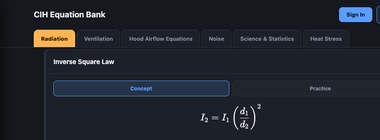
Each term is the fraction of that substance's own TLV actually being used up. Add every fraction together — if the total, E, exceeds 1.0, the mixture exceeds the combined exposure limit, even when every individual substance is under its own TLV on its own.
Don't confuse this with Mixture TLV (solving for a blended product's own single TLV from its composition fractions) — that's a different formula answering a different question. Both, with practice problems, are in the CIH Equation Master.
12 Pathological View — Tissue & Cellular Mechanisms
The same chemicals from the tables above, this time from the pathologist's side — the actual structural and cellular changes each one produces, down to the mechanism.
| Pathological Signs | Industrial Toxicant(s) |
|---|---|
Membranous Nephropathy
|
Mercury (Hg) |
Glomerular Sclerosis & Interstitial Fibrosis
|
Lead (Pb) |
Proximal Tubular Necrosis
|
Cadmium (Cd) |
Acute Tubular Necrosis (ATN) with Oxalate Crystals
|
Ethylene Glycol |
Centrilobular Hepatic Necrosis & Steatosis
|
Carbon Tetrachloride, Chloroform, Tetrachloroethylene |
Bone Marrow Hypoplasia & Myelodysplasia
|
Benzene |
Retinal Ganglion Cell Necrosis & Optic Atrophy
|
Methanol |
Giant Axonal Degeneration & Neurofilament Accumulation
|
n-Hexane, MnBK (Methyl n-Butyl Ketone) |
Basal Ganglia Degeneration
|
Manganese (Mn) |
Ulceration & Perforation of Epithelial Membranes
|
Hexavalent Chromium (Cr VI) |
Diffuse Interstitial Pulmonary Fibrosis
|
Asbestos |
Carboxyhemoglobin Formation & Systemic Anoxic Necrosis
|
Carbon Monoxide (CO) |
Mitochondrial Cytochrome c Oxidase Inhibition
|
Hydrogen Sulfide (H₂S), Hydrogen Cyanide (HCN) |
13 Toxicology Term Glossary
The "-toxic" suffixes (plus the reproductive and genetic terms) that name every mechanism in the Pathological View table above — know the root, and the target is right there in the word.
| Term | What It Damages | Target Organ System | Examples | Memory Cue |
|---|---|---|---|---|
| Hepatotoxic | Destroys hepatocytes (liver cells); induces lipid peroxidation and centrilobular liver necrosis, or damage such as cirrhosis or hepatitis. | Liver | Carbon tetrachloride, halothane, acetaminophen | Hepato- = Hepatic/Liver (Think: Hepatitis, Liver Detox Center) |
| Nephrotoxic | Damages the functional filtering units (nephrons), causing proximal tubular death or glomerular failure. | Kidneys | Cadmium, chloroform, NSAIDs | Nephro- = Nephron/Kidney (Think: Kidneys filter waste) |
| Neurotoxic | Destroys or disrupts the nervous system: interrupts nerve impulse transmission, degrades myelin sheaths, or destroys axons in the brain, spinal cord, and peripheral nerves. | Central & Peripheral Nervous System | Lead, mercury, n-hexane, manganese | Neuro- = Neurons/Brain (Think: Nerves, tremors, convulsions) |
| Ototoxic | Damages the cochlea, auditory nerve, or vestibular system, causing hearing loss or balance problems — either alone or by potentiating the effect of noise. | Ear (hearing & balance) | Toluene, styrene, xylene, trichloroethylene, carbon disulfide (ACGIH "OTO" notation) | Oto- = Ear (Think: Otitis, otoscope) |
| Oculotoxic | Specifically toxic to the eyes or visual system, such as by damaging the optic nerve. | Eyes / Optic Nerve | Methanol (optic nerve damage) | Oculo- = Eye (Think: Ocular, oculist) |
| Hematotoxic | Suppresses bone marrow stem cells (preventing formation of red cells, white cells, and platelets), or destroys red blood cells and disrupts normal clotting. | Blood-Forming / Hematopoietic System | Benzene, arsine gas | Hemato- = Hematology/Blood (Think: Hemoglobin, Anemia) |
| Cardiotoxic | Damages the heart muscle or disrupts its electrical conduction system. | Heart | Cobalt, cocaine | Cardio- = Heart (Think: Cardiac arrest, cardiologist) |
| Pulmonotoxic | Causes severe chemical irritation, localized edema, or irreversible fibrotic tissue scarring in the lungs and respiratory tract (also called pneumotoxic). | Respiratory System / Lungs | Chlorine, phosgene, paraquat | Pulmono- = Pulmonary/Lungs (Think: Gas exchange, suffocation) |
| Dermatotoxic | Destroys skin barrier lipids, causing severe irritation, chemical burns, defatting, systemic absorption, or immune sensitization. | Integumentary System / Skin | Hydrofluoric acid, mustard gas | Derma- = Dermatology/Skin (Think: Epidermis, rashes) |
| Immunotoxic | Suppresses or abnormally over-activates immune responses, destroying white blood cell defense networks. | Immune System / Lymphatics | Dioxins, certain heavy metals | Immuno- = Immunity/Defense (Think: White blood cells, lymph nodes) |
| Genotoxic | Damages cellular DNA, which can lead to mutations or cancer. | DNA / Cells | Benzene, ethylene oxide | Geno- = Gene (Think: Genetics, genome) |
| Mutagen | A type of genotoxin that specifically causes permanent, transmissible (heritable) genetic mutations in DNA. | DNA (heritable change) | Ethylene oxide | Muta- = Change (Think: Mutation) |
| Teratogen | Interferes with normal embryonic development, causing physical (structural) birth defects. | Developing Embryo | Thalidomide, ethanol, lead | Terato- = Monster/Malformation (Think: Birth defects) |
| Fetotoxic | Causes harm, toxicity, or death to a developing fetus later in pregnancy — distinct from the early structural defects a teratogen causes. | Developing Fetus | Alcohol (later-pregnancy exposure) | Feto- = Fetus (Think: Late-pregnancy harm, not malformation) |
How two or more chemicals behave together — a different question from what any one of them does alone.
| Term | Definition | Note |
|---|---|---|
| Potentiating Effect | Occurs when a substance that does not normally produce a specific toxic effect on its own significantly increases or enhances the toxicity of another substance. | Classic example: isopropanol (not hepatotoxic alone) potentiates carbon tetrachloride's liver toxicity. |
| Antagonistic | Occurs when two chemicals counteract or oppose each other, reducing the overall toxic effect below what either would produce alone. | Combined effect is less than the sum of the individual effects (e.g., 1 + 1 < 2). |
| Negativistic | Not a recognized standard toxicological interaction term. | A common exam distractor — the real interaction types are additive, synergistic, potentiating, and antagonistic. |
| Dispositional (Antagonism) | Occurs when the absorption, biotransformation, distribution, or excretion of a chemical is altered so that the concentration or duration of the agent at the target organ is diminished. | One of the four recognized mechanisms of antagonism, alongside functional, chemical, and receptor antagonism. |
Names for what a chemical is built to kill — heavily tested under Indoor Environmental Quality, healthcare toxicology, and pesticide questions.
| Term | What It Kills | Examples | Group |
|---|---|---|---|
| Sporicide | Kills bacterial and fungal spores. | Peracetic acid, ethylene oxide, high-concentration hydrogen peroxide | Antimicrobials & Decontaminants |
| Bactericide | Kills vegetative (actively growing) bacteria, but not necessarily spores. | Isopropyl alcohol, phenols, quaternary ammonium compounds | Antimicrobials & Decontaminants |
| Virucide | Inactivates or destroys viruses. | Sodium hypochlorite (bleach), ethanol (enveloped viruses) | Antimicrobials & Decontaminants |
| Fungicide | Kills fungi, molds, and yeasts. | Copper sulfate, triazoles (mold remediation) | Antimicrobials & Decontaminants |
| Biocide | Broad catch-all: any chemical intended to destroy, deter, or render harmless a harmful organism — common in water treatment and cooling towers to prevent Legionella. | Chlorine, isothiazolinones, quaternary ammonium compounds | Antimicrobials & Decontaminants |
| Insecticide | Kills insects. Highly tested: organophosphates and carbamates inhibit acetylcholinesterase. | Organophosphates, carbamates, pyrethroids, organochlorines (DDT) | Pesticides (Pests) |
| Rodenticide | Kills rodents such as mice and rats. | Warfarin, brodifacoum (anticoagulants); zinc phosphide | Pesticides (Pests) |
| Miticide (Acaricide) | Kills mites and ticks. | — | Pesticides (Pests) |
| Larvicide | Targets the larval stage of insects (e.g., mosquitoes). | — | Pesticides (Pests) |
| Pediculicide | Kills lice. | Permethrin | Pesticides (Pests) |
| Nematocide | Kills nematodes (parasitic roundworms in soil or plants). | — | Pesticides (Pests) |
| Herbicide | Kills weeds and unwanted vegetation. | Glyphosate, 2,4-D, paraquat (highly toxic to lungs) | Vegetation & Plant Controls |
| Algicide | Kills algae in water supplies, pools, and cooling towers. | Copper sulfate | Vegetation & Plant Controls |
| Arboricide | Kills trees and woody shrubs. | — | Vegetation & Plant Controls |
| Cytocide | An agent that kills cells indiscriminately. | Many traditional chemotherapy (antineoplastic) agents | Cellular Level (Descriptors) |
| Spermicide | Destroys sperm cells. | Contraceptive agents | Cellular Level (Descriptors) |
The root at the front of the word names the body part — learn these and most toxicology terms decode themselves.
| Prefix | Meaning | Examples | Body Area |
|---|---|---|---|
| Pneumo- / Pulmo- | Lung or respiration | Pneumonitis (lung inflammation); pulmonary edema (fluid in the lungs from gases such as phosgene) | Respiratory & Blood |
| Broncho- | Airway (bronchus) | Bronchitis; bronchospasm (sulfur dioxide, isocyanates) | Respiratory & Blood |
| Hem- / Hema- / Hemato- | Blood | Hemolysis (red-cell destruction by arsine gas); hematotoxic (toxic to the blood) | Respiratory & Blood |
| Erythro- / Leuko- | Red / white blood cell | Erythrocyte; leukemia and leukopenia (benzene) | Respiratory & Blood |
| Thrombo- | Clot or platelet | Thrombocytopenia (low platelets) | Respiratory & Blood |
| Cyan- | Blue | Cyanosis (blue skin from poor oxygenation); methemoglobinemia | Respiratory & Blood |
| Neuro- | Nervous system | Neuropathy (nerve damage from n-hexane or lead) | Neurological, Muscle & Heart |
| Encephal- | Brain | Encephalopathy (brain disease or damage, a classic sign of severe lead poisoning) | Neurological, Muscle & Heart |
| Myo- | Muscle | Myocardium (heart muscle); myalgia (muscle pain) | Neurological, Muscle & Heart |
| Cardio- | Heart | Cardiotoxic (cobalt); cardiac sensitization (fluorocarbons) | Neurological, Muscle & Heart |
| Oto- | Ear | Ototoxic (toluene, styrene) | Neurological, Muscle & Heart |
| Hepato- | Liver | Hepatitis (liver inflammation); hepatotoxin (carbon tetrachloride) | Internal Organs |
| Nephro- / Ren- | Kidney | Nephrotoxicity (kidney damage from cadmium or mercury) | Internal Organs |
| Gastro- / Entero- | Stomach / intestine | Gastroenteritis (ingested metals, some poisonings) | Internal Organs |
| Dermat- / Derm- | Skin | Dermatitis (skin inflammation, one of the most common occupational illnesses) | Skin, Eyes, Nose & Bones |
| Oculo- / Ophthalm- | Eye | Ocular irritation (burning eyes from formaldehyde); ophthalmia | Skin, Eyes, Nose & Bones |
| Rhino- | Nose | Rhinitis; nasal septum perforation (hexavalent chromium) | Skin, Eyes, Nose & Bones |
| Osteo- | Bone | Osteomalacia (cadmium); osteosarcoma (radium) | Skin, Eyes, Nose & Bones |
| Chondro- | Cartilage | Chondrosarcoma (cancer of the cartilage) | Skin, Eyes, Nose & Bones |
| Cyto- | Cell | Cytotoxic; cytolysis | Cells, Vessels & Levels |
| Somato- / Somat- | Body (the body's own cells, as opposed to the germ cells that pass genes to offspring) | Somatic effect (harm to the exposed person's own body cells, such as cancer; contrast heritable germ-cell effects); somatic mutation (DNA change in body cells, not passed to offspring) | Cells, Vessels & Levels |
| Angio- | Blood vessel | Angiosarcoma (vinyl chloride) | Cells, Vessels & Levels |
| Onco- / Carcino- | Tumor or cancer | Carcinogen; oncogenic | Cells, Vessels & Levels |
| Hyper- / Hypo- | Above / below normal | Hypoxia; hypercapnia; hyperplasia | Cells, Vessels & Levels |
The ending names the process or condition — what the chemical actually did to that body part.
| Suffix | Meaning | Examples |
|---|---|---|
| -itis | Inflammation | Alveolitis (inflammation of the lung's air sacs); bronchitis (inflammation of the airways) |
| -pathy | Disease or abnormality | Coagulopathy (a blood-clotting disorder); retinopathy (damage to the retina) |
| -lysis | Destruction, breaking down, or dissolving | Cytolysis (bursting of a cell); rhabdomyolysis (rapid breakdown of skeletal muscle) |
| -emia | In the blood | Leukemia (cancer of white blood cells); hypoxemia (low blood oxygen); carboxyhemoglobinemia (carbon monoxide bound to hemoglobin) |
| -uria | In the urine | Proteinuria (protein in urine, a key sign of cadmium kidney damage); hematuria (blood in urine) |
| -oma | Tumor or abnormal growth | Mesothelioma (cancer of the lung lining, overwhelmingly linked to asbestos); carcinoma (cancer arising in epithelial tissue) |
| -megaly | Abnormal enlargement | Hepatomegaly (enlarged liver); cardiomegaly (enlarged heart) |
| -osis | Abnormal condition or process, often chronic | Silicosis, asbestosis, pneumoconiosis; cyanosis |
| -penia | Deficiency or decreased number | Leukopenia, thrombocytopenia, pancytopenia (benzene bone-marrow suppression) |
| -plasia | Growth or formation of cells | Hyperplasia; dysplasia; hypoplasia (bone marrow hypoplasia) |
| -sarcoma | Cancer of connective tissue or vessels | Angiosarcoma (vinyl chloride liver cancer) |
| -gen / -genic | Producing or causing | Carcinogen; mutagenic; teratogen |
| -algia | Pain | Myalgia (muscle pain); neuralgia (nerve pain) |
| -oxia / -oxemia | Oxygen level | Hypoxia; anoxia; hypoxemia |
| -capnia | Carbon dioxide level | Hypercapnia (excess CO2, as in simple asphyxiants) |
| -pnea | Breathing | Dyspnea (shortness of breath); apnea (no breathing) |
| -spasm | Involuntary contraction | Bronchospasm (sulfur dioxide, isocyanates) |
| -edema | Fluid swelling | Pulmonary edema (phosgene, nitrogen dioxide) |
| -toxic / -toxin | Poisonous to / a poison | Hepatotoxic; neurotoxin |
| -cide | Kills | Sporicide; herbicide; rodenticide (see the -cide table above) |
This is a recognition aid, not a clinical or regulatory reference. Effects listed are the most commonly cited/tested associations, not a complete toxicological profile. Real-world exposure effects depend on dose, duration, individual susceptibility, and route.
Not a substitute for the SDS or the current ACGIH TLV/BEI booklet. Always verify exposure limits, classifications, and control requirements against the current Safety Data Sheet and the applicable annual ACGIH TLVs & BEIs booklet before applying any of this in practice.
SPEP is not affiliated with BGC/ABIH or BCRSP. This page reflects my own study notes while working through CIH Chapter 4 — it is not official exam content. For the official CIH credential, visit gobgc.org/cih.
Following the CIH journey?
This page is a companion to my live CIH study journal — scouting strategy, chapter-by-chapter notes, and what I'm finding as I go.
Read the CIH Study Journal →Updated weekly as I work through each chapter · Need the equations too? Try the CIH Equation Master.
→ Or try a timed CRSP Mock Exam Rehearsal (14 questions, real exam pacing)
As an Amazon Associate, SPEP earns from qualifying purchases.